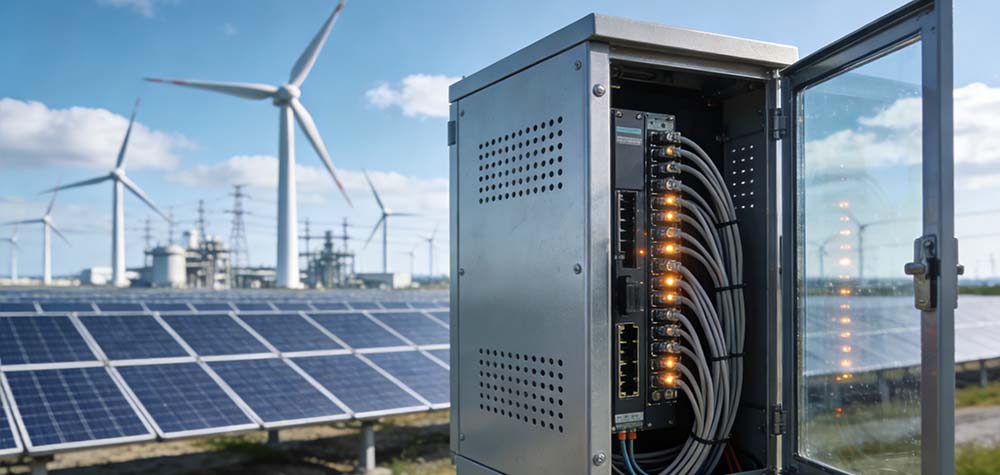
With the advancement of smart grid construction, the integration of telecom power systems with the grid has become a new development direction. As an important component of the power system, telecom power not only provides reliable power supply for communication equipment but also plays an increasingly important role in the construction and operation of smart grids. This article introduces the application scenarios of telecom power in smart grids, including practical cases and technical solutions in distributed energy management, demand response, grid stability control, and other aspects.
1. Foundation for Integration of Telecom Power and Smart Grid
The integration of telecom power and smart grid is based on the following technical foundations:
- Power Electronics Technology: Advanced power electronics technologies adopted by telecom power, such as high-frequency switching and digital control, provide technical support for the flexible control of smart grids.
- Energy Storage Technology: Energy storage devices in telecom power systems, such as batteries and supercapacitors, provide important means for energy buffering and peak-shaving/frequency regulation of smart grids.
- Communication Technology: Telecom power systems themselves have complete communication functions, providing channels for information collection and transmission in smart grids.
- Intelligent Control Technology: Intelligent control algorithms in telecom power systems, such as maximum power point tracking and battery management, provide references for the optimal operation of smart grids.
2. Distributed Energy Management
Telecom power systems play an important role in distributed energy management:
1. Distributed Photovoltaic Power Generation System Integration
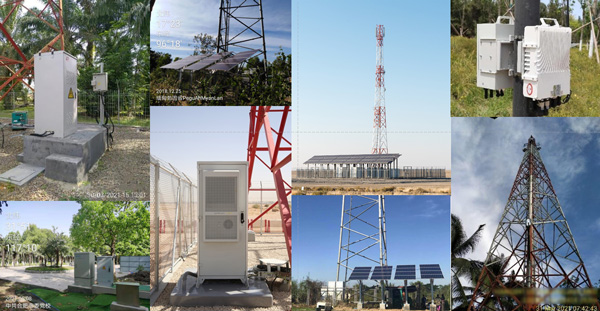
- Install photovoltaic power generation systems on the roofs or surrounding areas of communication base stations to power communication equipment and reduce reliance on grid electricity.
- Realize maximum power point tracking of photovoltaic power generation through intelligent control of telecom power systems, improving energy utilization efficiency.
- Excess electricity can be fed into the grid, providing clean energy for the grid.
2. Energy Storage System Management
- Energy storage devices in telecom power systems can not only provide backup power for communication equipment but also participate in grid peak-shaving and frequency regulation.
- Optimize charging and discharging strategies of energy storage devices based on grid demand and electricity price changes through intelligent dispatching systems.
- Realize cascade utilization of energy storage devices, improving resource utilization efficiency.
3. Microgrid Control
- Build microgrids containing distributed energy, energy storage devices, and loads with communication base stations as the core.
- Telecom power systems serve as the control center of microgrids, realizing stable operation and optimal energy management of microgrids.
- In case of grid failures, microgrids can operate independently to ensure the normal operation of communication equipment.
3. Demand Response
Telecom power systems participate in demand response, contributing to the balance of grid supply and demand:
1. Peak Shaving and Valley Filling
- During grid peak periods, telecom power systems can reduce power consumption from the grid and prioritize the use of energy storage devices or distributed energy.
- During grid valley periods, telecom power systems can increase charging power to charge energy storage devices, improving grid load rate.
2. Emergency Demand Response
- In case of emergency situations in the grid, telecom power systems can quickly adjust power load according to grid dispatching instructions.
- Realize load reduction of telecom power systems through remote control, providing emergency support for the grid.
3. Demand Response Marketization
- Telecom power systems participate in demand response markets and obtain economic returns by providing load reduction services.
- Optimize strategies for participating in demand response using advanced prediction algorithms to maximize economic benefits.
4. Grid Stability Control
Telecom power systems play an important role in improving grid stability:
1. Voltage and Frequency Regulation
- Telecom power systems can help the grid maintain voltage and frequency stability through rapid power regulation.
- When grid voltage or frequency is abnormal, telecom power systems can automatically adjust output to provide support for the grid.
2. Harmonic Mitigation
- Telecom power systems adopt advanced power electronics technologies to reduce harmonics generated by themselves.
- Mitigate harmonic pollution in the grid through active filters and other devices, improving power quality.
3. Fault Isolation and Recovery
- In case of grid failures, telecom power systems can quickly switch to backup power to ensure the normal operation of communication equipment.
- Timely report fault information to the grid dispatching center through communication networks, accelerating the speed of fault isolation and recovery.
5. Practical Cases
Beijing High-tech Dynamic Power Co., Ltd. has achieved remarkable practical results in the integration of telecom power and smart grid:
Case 1: Microgrid Project for an Operator's Communication Base Station
- Install photovoltaic power generation systems and energy storage devices at communication base stations to build microgrids.
- Realize maximum utilization of photovoltaic power generation and optimal dispatching of energy storage devices through intelligent power management systems.
- After the project implementation, the grid electricity dependency rate of the communication base station decreased by 40%, saving approximately 100,000 yuan in electricity bills annually.
- In case of grid failures, the microgrid can operate independently for more than 24 hours, ensuring communication continuity.
Case 2: Grid Demand Response Project in a Certain Area
- Organize 100 communication base stations to participate in the grid's demand response project.
- Temporarily reduce non-core load power consumption of communication base stations through remote control during grid peak periods.
- Each peak period can provide approximately 5MW of load reduction capacity, contributing to the balance of grid supply and demand.
- Participating in the demand response project brings approximately 500,000 yuan of additional income to the operator annually.
Case 3: Smart Grid Demonstration Area Project
- Deeply integrate telecom power systems with the grid within the smart grid demonstration area.
- Realize real-time data collection and remote control of telecom power systems.
- Optimize the operation strategy of telecom power systems through big data analysis and artificial intelligence algorithms.
- After the project implementation, the grid reliability in the demonstration area increased by 5%, and power quality improved by 10%.
6. Technical Challenges and Solutions
The integration of telecom power and smart grid faces some technical challenges:
1. Non-uniform Technical Standards
Challenge: Telecom power systems and smart grid systems adopt different technical standards and communication protocols, leading to integration difficulties.
Solution: Develop unified technical standards and communication protocols to promote interconnection between different systems.
2. Security Issues
Challenge: After the integration of telecom power systems with the grid, they face dual challenges of network security and power security.
Solution: Strengthen system security protection measures, adopt encryption communication, access control and other technologies to ensure the safe operation of the system.
3. Cost-benefit Analysis
Challenge: The integration of telecom power and smart grid requires additional investment, requiring detailed cost-benefit analysis.
Solution: Improve the economic benefits of the project through refined design and optimized operation strategies. At the same time, strive for government policy support and subsidies.
4. System Integration Complexity
Challenge: The integration of telecom power systems and smart grid systems involves multiple disciplines and fields, with high technical complexity.
Solution: Adopt a modular design approach to gradually realize system integration. At the same time, strengthen industry-university-research cooperation to jointly tackle technical challenges.
7. Future Development Trends
The integration of telecom power and smart grid will develop in the following directions:
- Deep Integration: Telecom power systems will become an organic part of smart grids, achieving deeper integration.
- Intelligence: Utilize artificial intelligence, big data and other technologies to realize autonomous decision-making and optimized operation of telecom power systems.
- Standardization: Develop unified technical standards and interface specifications to promote interconnection between different systems.
- Marketization: Through power market mechanisms, incentivize telecom power systems to participate in grid auxiliary services and obtain economic returns.
- Sustainability: More widely integrate renewable energy, reduce dependence on traditional energy, and achieve green development.
8. Conclusion
The application and integration of telecom power in smart grids is an important direction for the future development of power systems. Through technological innovation and system optimization, telecom power systems can not only provide reliable power supply for communication equipment but also participate in the operation and management of smart grids, contributing to the safe, stable, and economical operation of the grid.
Beijing High-tech Dynamic Power Co., Ltd. will continue to increase R&D investment, promote innovation and breakthroughs in telecom power technology, and provide strong support for building a smarter, more efficient, and more sustainable power system.